What AgeTech Startups Need to Know Before Pitching Senior Living Operators
💡 Quick Takeaways
Target smaller operators first. They’re more agile, open to innovation, and have simpler decision structures than large senior living chains.
Beware of pilot fatigue. Many communities have tested too many unready products — they now expect clear ROI before saying yes.
Build trust through empathy. Relationships and emotional intelligence matter more than pitch decks in senior living.
Design with older adults, not for them. Test interfaces for accessibility and co-create with real users.
If you’re an AgeTech founder eyeing senior living as your first big partnership, you’re not alone. For many startups, these communities seem like the most direct route into the aging ecosystem — with concentrated populations, clear needs, and structured operations.
But according to Dr. Sara Kyle, founder of LE3, a consulting firm that helps companies navigate the senior living and longevity landscape, breaking into this industry takes more than an innovative product. It requires emotional intelligence, deep understanding of operational constraints, and the patience to build trust.
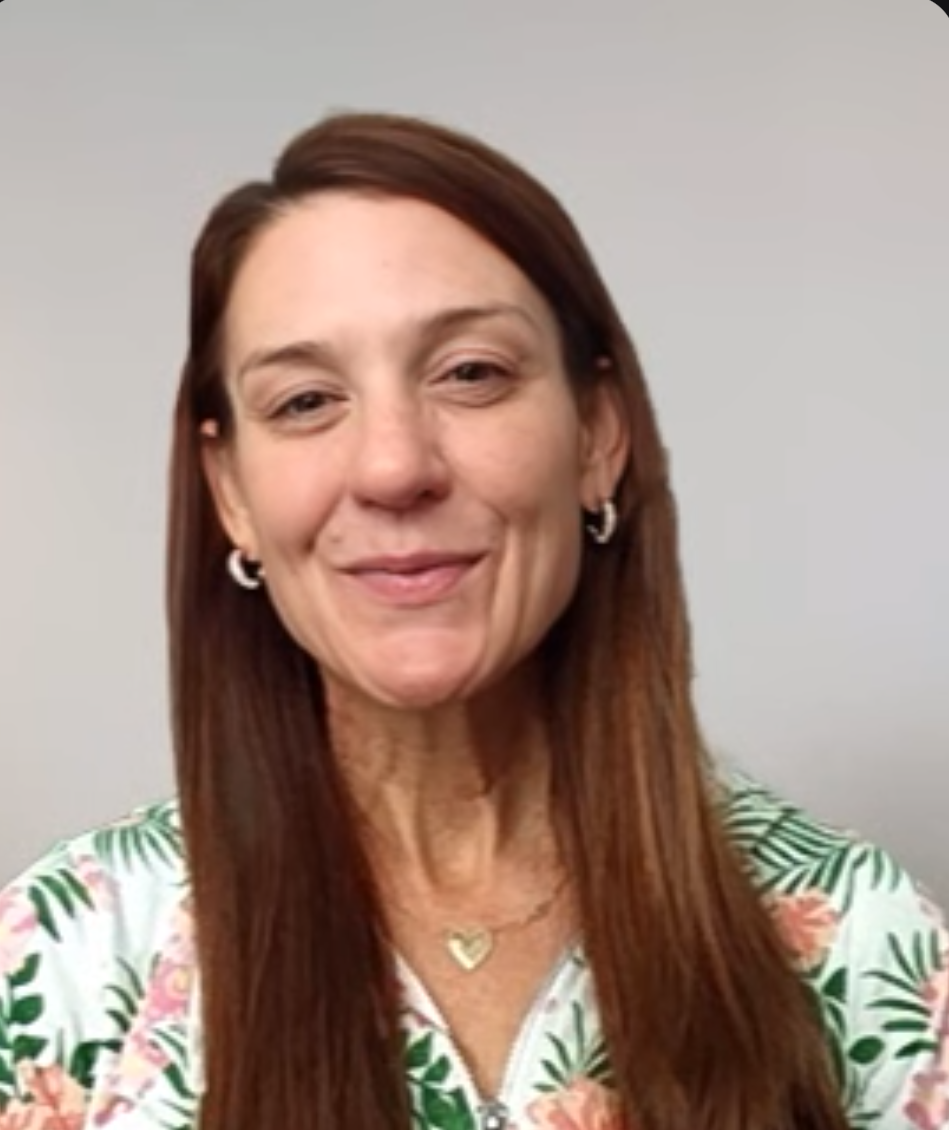
Dr. Sara Kyle, founder of LE3, a consulting firm advising AgeTech startups and senior living operators.
⚙️ Understand the Ecosystem Before You Pitch
Senior living isn’t one monolithic industry. It’s an intricate web of for-profit and not-for-profit operators, ownership groups, management companies, and care levels — each with its own decision-making structure and risk tolerance.
“There’s a sweet spot,” Kyle explains. “Smaller operators with 20ish communities or fewer tend to move faster, willing to take risks, and aren’t as complicated in structure with multiple ownership groups. Everyone goes after the top 10-15 operators, but that often entails a longer-sales cycles. Additionally, these companies tend to select vendors that have proven they can scale and implement quickly. You’ll make more progress building relationships with smaller, innovation-friendly ones.”
She recommends startups begin by mapping the ecosystem — including organizations under Argentum (for-profit) and LeadingAge (nonprofit) — and identifying who aligns best with their product category and mission.
💸 Pilot Fatigue Is Real — and Margins Are Thin
Over the past decade, senior living operators have tested a flood of new technologies, from engagement platforms to safety sensors. Many weren’t market-ready — leading to pilot fatigue and technology frustrations.
“It’s disruptive,” Kyle says. “Communities spend time and labor training staff and residents, and the promised results often don’t materialize. So now, operators are cautious. They want proof before another pilot.”
Even when a product works, the math often doesn’t.
“People say, ‘It’s just $10 a month per resident,’” Kyle notes. “But that’s more than some EHR systems cost. Those budgets are already spoken for. Senior living runs on thin margins, and occupancy drives profit. So if it’s not operationally essential, can replace an existing software, or can become revenue-generating, it’s a hard sell.”
🧭 Simplicity Wins Over Features
A common mistake among founders? Overbuilding.
“Founders get swayed by features,” Kyle says. “Every feature requires training and retraining — for multiple departments with high turnover. The more features, the more friction.”
Her advice is simple: do one thing exceptionally well.
Support it deeply. Optimize it. And, if possible, partner with others who complement your strength instead of trying to build an all-in-one solution.
🧠 Build an Emotional Bridge, Not Just a Business Case
In senior living, buying decisions are deeply emotional — often built on trust and relationships, not just technical specs.
“It’s a highly relational industry,” Kyle emphasizes. “People make decisions based on connection. You might not have every feature, but if they trust you and feel your heart’s in the right place, they’ll work with you.”
So how do you earn that trust?
Kyle’s advice: listen before you sell.
“Go to a community. Spend time there. Talk to residents, staff, caregivers. Don’t just present a deck — show you’ve done the work to understand their world.”
The most compelling pitches, she says, combine a meaningful story (why you built what you built) with evidence that you’ve lived the problem — that you’ve walked the halls, felt the rhythm of daily life, and understand what actually matters to older adults.
👓 Design for the Older Eye — Literally
Even great products can fail if their design alienates the end user.
“What the older eye sees is different,” Kyle says. “Too much white space, loud colors, low contrast — it’s exhausting. Look at your interface through accessibility settings. What happens when they enlarge the text? What if they have low vision?”
She encourages founders to co-design with older adults — and test repeatedly.
“Show that you’ve listened. We can tell when a product is built for older adults, not with them.”
🧩 Final Advice: Listen, Simplify, and Stay Human
At its heart, the senior living industry runs on people — caregivers, staff, residents, families — not just systems.
“Too many people build in a vacuum,” Kyle says. “They assume their family’s experience is universal. But every family has a different story. The more you listen, the better you’ll build.”
For startups hoping to make a mark, that’s the blueprint:
Simplify your product, target the right operators, honor emotional connection, and spend time where life is actually lived.
✅ FAQs
What do senior living operators look for in an AgeTech partner?
Operators value reliability, simplicity, and evidence of ROI more than flashy features.
How can AgeTech startups overcome pilot fatigue?
Focus on a short, measurable pilot that reduces staff time or boosts resident satisfaction.
Who are key organizations in senior living?
Argentum and LeadingAge represent for-profit and nonprofit operators respectively.
🗞️ About Dr. Sara Kyle
Dr. Sara Kyle is the founder of LE3, a consulting firm advising companies, investors, and senior living operators on strategy, resident experience, and innovation in the longevity space. With over two decades in senior living leadership, she helps bridge the gap between innovation and human experience.
