‘I Can Show Her the Steps, But She Forgets Them Easily’: The Biggest AgeTech Opportunities in Caregiving
Ex-Google wellbeing consultant Huyen Win reveals how real caregiving exposes AgeTech’s biggest blind spots — from cognitive accessibility to caregiver wellbeing.
💡 Quick Takeaways
Design for re-learning, not just onboarding — cognitive accessibility is AgeTech’s biggest gap.
Independence is emotional. Empower small “wins,” not just physical ability.
Build connection, not just convenience — social design drives retention.
Treat caregiving as a network, not a solo act. Shared systems win.
The caregiver’s wellbeing is a product metric — burnout kills adoption.
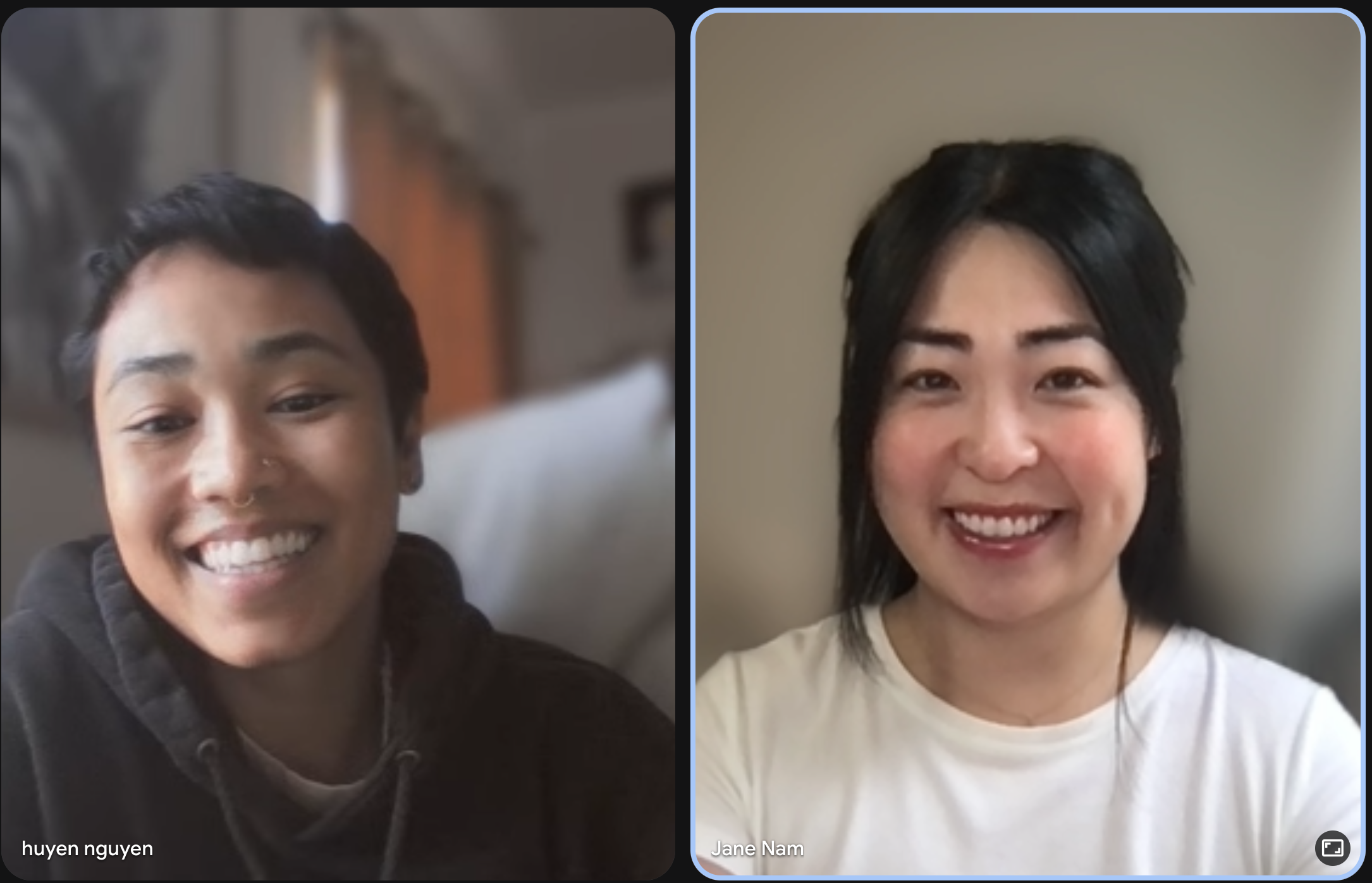
Ex-Google wellbeing consultant Huyen Win sits with AgeTech Journal’s Jane Nam to share her decade-long journey caring for her mother after a stroke – and the insights it offers AgeTech founders designing for real caregiving needs.
When Huyen Win’s mother suffered a stroke at just 42, everyday tools suddenly became obstacles. Zelle, iPads, even simple apps — all required remembering multi-step instructions that her mother couldn’t retain.
“I can show her the steps to doing something,” Win says, “but she forgets them really easily. Even if everything was translated, she’d still struggle because of literacy.”
Win, a wellbeing consultant and MPH candidate at UNC Gillings (and formerly at Google), has been her mother’s full-time caregiver for the past decade. Her experience exposes where caregiving and technology collide — and where founders have a chance to build something transformative.
🧠 Design for Re-Learning, Not Onboarding
Most AgeTech products are built for users who can retain what they’ve learned. But for millions living with cognitive decline, brain injury, or stroke recovery, the challenge isn’t understanding the first time — it’s remembering the next.
“She can do it if I show her, but she forgets how the next time. Even small updates in the app can confuse her.”
Founder takeaway:
Build interfaces that re-teach, not assume recall.
Add voice-guided prompts, replayable tutorials, and contextual help that appear every session.
Prioritize recognition (visual anchors, icons, patterns) over memory-based navigation.
Cognitive accessibility isn’t a niche need — it’s an emerging competitive edge.
💪 Independence Is Emotional, Not Just Functional
“She hated waiting in bed for someone to put her shoes on, so we practiced until she could do it herself.”
That single act restored more than mobility — it restored dignity.
Founders often define independence through tasks: walking, bathing, eating. But for caregivers and recipients, independence is identity.
Founder takeaway:
Build tech that celebrates micro-independence moments — small, repeated victories.
Avoid over-automation. The best tech teaches, it doesn’t replace.
Integrate positive feedback loops to reinforce self-efficacy.
🗣️ Connection Is Core Design, Not a Feature
“There’s really no replacement for human interaction. My mom loves talking to her drivers — it brings her joy.”
Caregiving technology often optimizes for efficiency: reminders, monitoring, scheduling. Yet social connection directly influences adherence and emotional health.
Founder takeaway:
Integrate social elements — peer groups, volunteer connections, or live human touchpoints.
Measure social wellbeing as a success metric alongside usability.
Design tools that reduce isolation, not just workload.
🤝 Caregiving Is a Network, Not a Persona
“When I travel, I make a Google Doc for my friends to sign up for shifts. But they’re busy too. If I could trust another real human who’s excited to help, that would be amazing.”
Most AgeTech tools assume a single caregiver or user. In reality, caregiving is shared — across siblings, friends, and informal networks.
Founder takeaway:
Build multi-user systems with shared calendars, task delegation, and access controls.
Enable safe “drop-in” help through verified communities.
Think beyond “the caregiver” — design for care ecosystems.
💗 Caregiver Wellbeing Is a Product Metric
“Having a social life helps me feel like a whole person, not just a caregiver.”
When caregivers burn out, engagement drops. A product that adds friction or guilt, even unintentionally, will fail long-term.
Founder takeaway:
Incorporate wellbeing checkpoints or light emotional nudges (“How are you doing today?”).
Reduce alert fatigue and simplify daily interaction flow.
Design for both care recipients and caregivers — they are co-users.
✨ Final Thought: Designing for Dignity
“Maybe the design principle should assume a desire for independence — that the person who needs care wants to be as autonomous as they can.”
That simple assumption should sit at the heart of every AgeTech product. Each tool, feature, and interface is an opportunity to restore not just ability, but selfhood.
✅ FAQs
What is the biggest untapped market in caregiving tech?
Cognitive accessibility — tools that support users who forget, re-learn, and adapt daily.
How can founders test products with real caregivers?
Recruit through stroke recovery centers, family caregiver groups, or occupational therapy programs to co-design early.
Why does caregiver wellbeing matter for product success?
Because burnout breaks consistency — and consistency is what makes tech stick in the home.
🗞️ About Huyen Win
Huyen Win, MPHc, is a wellbeing consultant with an equity-centered approach to coaching, communications, and community health. Formerly at Google, she now supports her mother’s post-stroke recovery full-time while pursuing her Master’s in Public Health at UNC Gillings.
